An Analysis of Polyurethane Delayed Catalysts
Polyurethane delayed catalysts are a very special type of polyurethane catalyst. These catalysts provide the necessary catalytic activity for polyurethane curing while simultaneously extending the product’s working life, providing more processing time during application. Unlike inhibitors, polyurethane delayed catalysts provide relative delay rather than absolute delay. Compared to conventional catalysts, they have lower initial activity but similar overall activity, and they cannot delay the reaction in systems without added catalysts.
Based on their applications, we divide delayed catalysts into two main categories:
Delayed catalysts for polyurethane foams
Delayed catalysts for CASE applications (CASE refers to polyurethane coatings, sealants, adhesives, and elastomers)
1. Delayed Catalysts for Foams: Polyurethane foams include rigid foams, flexible foams, semi-rigid foams, and self-skinning foams. The main reactions involved are foaming reactions, gelation reactions, and trimerization reactions. Therefore, commonly used catalysts for polyurethane foams are mainly divided into delayed foaming catalysts and delayed gelation catalysts.
Rigid Foam
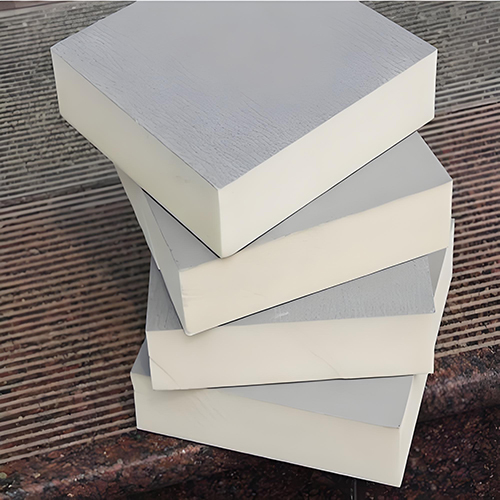
The main delayed gelation catalyst is GST-225, a modified diol solution of bis(dimethylaminoethyl) ether, which can delay the cream time, increase initial flowability, and accelerate later curing.
Flexible Foam
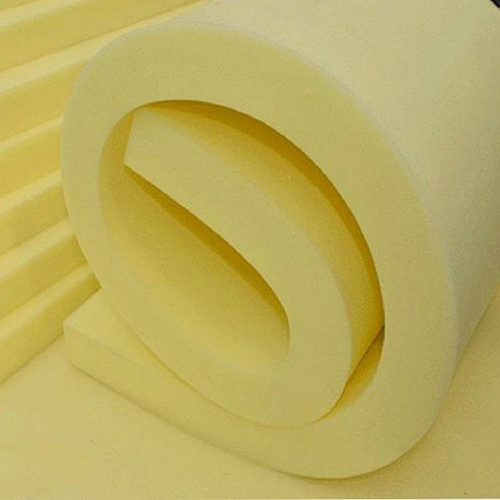
The main delayed gelation catalysts include GST-8154 (modified triethylenediamine solution), GST-300, etc. GST-8154 is particularly widely used, finding applications in rigid foams, flexible foams, semi-rigid foams, and self-skinning foams, and is also found in some microporous elastomer formulations.
Self-Skinning Foam
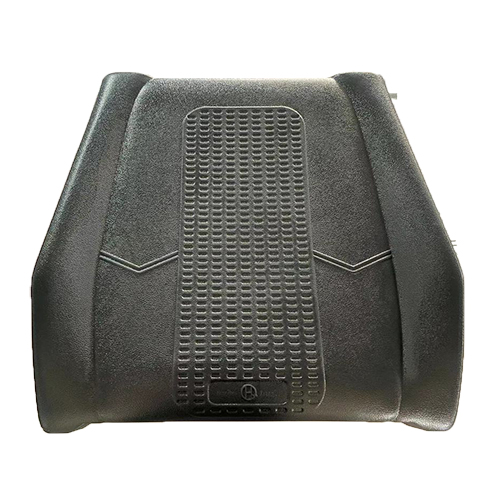
New type of delayed catalyst: This type of product is different from commonly available catalysts on the market. It is a type of delayed catalyst specially developed by Gust Chemical, with GST-215 being a main product. It features low foaming efficiency, good delaying effect, and strong gelation effect, providing initial fluidity while accelerating post-curing and demolding. It can be used in combination with most catalysts and can replace organotin in some formulations, increasing initial fluidity without affecting later curing.
2. Delayed Catalysts for CASE Applications
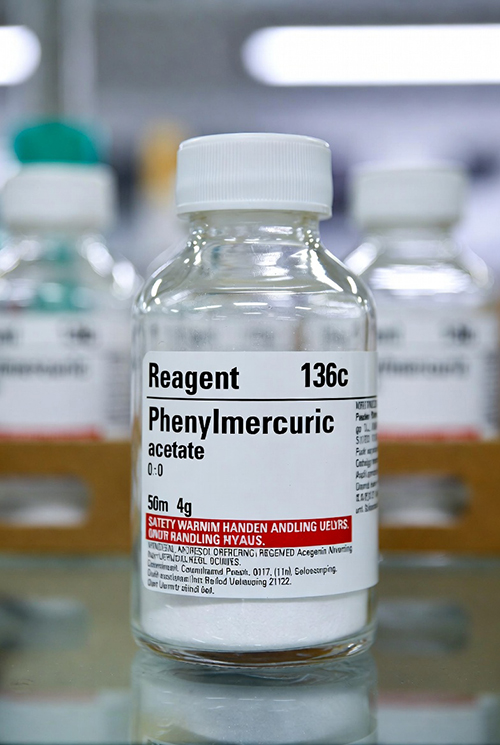
Compared to catalysts used in foam production, catalysts for CASE applications require fast gelation speed, minimal or no foaming. Common catalysts include GST-12 (organobismuth) and phenylmercuric acetate. Therefore, delayed catalysts for CASE applications should have catalytic activity comparable to tin-based catalysts, and their foaming efficiency should be as close as possible to that of dibutyltin dilaurate, although it is difficult to achieve the same effect as mercury-based catalysts.
Phenylmercuric acetate
Furthermore, CASE applications differ from foam production, involving complex raw materials and processes. The choice of polyether and polyester types, the type of isocyanate used, and the temperature and sequence of synthesis steps all lead to significant variations in results. Therefore, the selection of delayed catalysts for CASE products cannot be generalized and needs to be determined based on numerous factors.
As a professional supplier in the field of polyurethane catalysts, GST is committed to advancing delayed catalyst technologies for both foam and CASE systems, delivering stable, controllable, and high-performance solutions. Whether you need formulation optimization, process improvement, or application-specific support, GST offers tailored products and technical expertise. For any polyurethane delayed catalyst inquiries, feel free to contact us at any time.
NEXT:Applications of Small Molecule Polyfunctional Compounds
CATEGORIES
LATEST NEWS
- Diethanolamine
- Triethanolamine
- Methyl Glucoside
- Mannitol
- Sorbitol
- Xylitol
- Pentaerythritol
- Trihydroxyethyl isocyanurate
- Trimethylolethane
- Glycerin
CONTACT US
Tel:+8618688691634
Email:sam@1688pu.com
Add:No. 91 Central East Rd, Luxi village, Gaobu town, Dongguan city, Guangdong Province, China