Dimer Polyester Diols
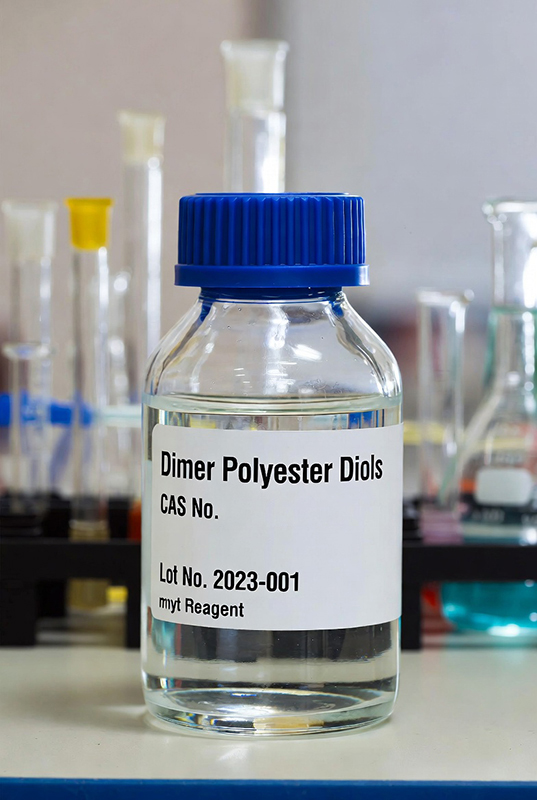
Dimer fatty acid is a dicarboxylic acid obtained by the self-polymerization of two unsaturated fatty acid molecules, also known as dimer acid. This dicarboxylic acid, like ordinary dicarboxylic acids, can be condensed with diols or polyols to form polyester polyols. Croda International Plc acquired Uniqema from Imperial Chemical Industries (ICI) in 2006 and continues to produce the series of polyester diols synthesized from dimer acids and diols by the former Uniqema company, which are used in polyurethane resins, coatings, and adhesives.
Croda’s dimer polyester diols (Table 3-36) are derived from branched-chain dimer fatty acids containing 36 carbon atoms and are highly hydrophobic. Furthermore, their hydrocarbon characteristics and non-crystalline nature give them flexibility and lubricity at extremely low temperatures. Compared with adipate polyester polyurethanes, polyurethanes containing dimer acid polyester structures have lower moisture absorption, excellent hydrolysis resistance, and good flexibility. Compared with polyether soft segments, the absence of ether bonds in the molecular backbone gives dimer acid-based polyurethanes resistance to thermal oxidative degradation. Dimer acid-based moisture-curing polyurethane hot-melt adhesives can effectively bond difficult-to-bond materials such as untreated polyethylene.
Polyester resins for polyurethane coatings made from dicarboxylic acid dimers have a high xylene tolerance. Replacing adipic acid with dimer acid in polyester synthesis can reduce the viscosity of the polyester, increase its solubility in moderately polar solvents, and increase toughness and impact strength.
PREVIOUS:Aromatic Polyester Polyols
CATEGORIES
LATEST NEWS
- Diethanolamine
- Triethanolamine
- Methyl Glucoside
- Mannitol
- Sorbitol
- Xylitol
- Pentaerythritol
- Trihydroxyethyl isocyanurate
- Trimethylolethane
- Glycerin
CONTACT US
Tel:+8618688691634
Email:sam@1688pu.com
Add:No. 91 Central East Rd, Luxi village, Gaobu town, Dongguan city, Guangdong Province, China