Faux stone panels PU systems
- CAS NO.: ;
- Product NO.:2019AB;
- Brand:GST;
- Storage:12 months;
- Origin:Dongguan,China;
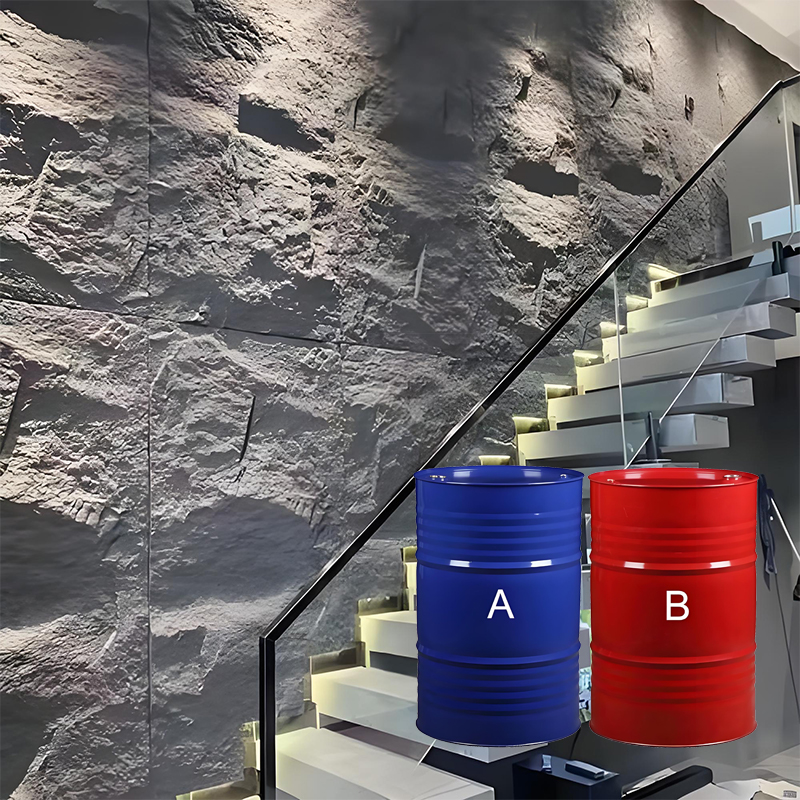
Specification
| Product Name | Faux stone PU systems |
| Application | Slow rebound memory pillows |
| Proportion | 100:110 |
| Material temperature(℃) | 20-3 |
| Mold temperature(℃) | 30-40 |
| Curing conditions(℃) | 630-50 |
| Curing time(min) | 8-15 |
Foaming test and parameters
Physical properties
| Initiation time(s) | 16-24 |
| String gel time (s) | 65-90 |
| Gel time(min) | 90-110 |
| Free rise density(kg/m³) | 40-60 |
Production Video
Report

Contact us to obtain the corresponding reports.
Storage conditions
| Items | 9130A | 9130B |
| Temperature | Recommended temperature: 15℃ ~ 25℃ Strict range: 5℃ ~ 30℃ Temperatures below 5℃ may cause crystallization, requiring heating to melt and thorough stirring; temperatures above 30℃ will accelerate side reactions, leading to increased viscosity, reduced activity, and darker color. | Recommended temperature range: 15℃ ~ 30℃ Strict temperature range: 10℃ ~ 35℃ Temperatures that are too low can lead to increased viscosity, crystallization or separation of some components; temperatures that are too high can accelerate system aging and may cause volatilization of blowing agents, catalyst deactivation, etc. |
| Humidity | Extremely strict! Must be kept dry. Relative humidity is recommended to be < 70%. Isocyanates react readily with water, producing carbon dioxide and urea, leading to drum swelling, increased pressure, increased viscosity, and deterioration of performance. | Requires a dry environment. Relative humidity is recommended to be < 70%. Although component B itself contains moisture control agents, high environmental humidity may cause condensation on the inner wall and opening of the packaging container, leading to water droplets mixing into the system during dispensing, or causing component B itself to absorb moisture. |
| Storage period | Typically, the shelf life is one year (from the date of manufacture), as specified in the product instructions. After this period, the NCO content needs to be tested to ensure it meets the required standards. | Typically, the shelf life is one year (from the date of manufacture), as specified in the product manual. After this period, key performance indicators (such as viscosity, hydroxyl value, and reactivity) should be tested. |
| Other | Avoid direct sunlight and keep away from heat sources. | Avoid direct sunlight and keep away from heat sources. Some component B materials require periodic (e.g., monthly) gentle rolling to maintain uniform filler distribution. |
General principles: Cool, Dry, Well-ventilated, and with minimal temperature fluctuations.
Important Notes
1.Sealing and Waterproofing
The drum lid must be tightly sealed! The lid should be tightened immediately after each use to prevent moisture from the air from entering.
It is recommended to fill the A component drum with dry nitrogen gas for protection (especially for large packages or frequent use).
The storage area floor should be dry to prevent corrosion of the drum bottom. Storage in the open air or under an open-sided shed is not recommended.
2.Fire Safety
Polyurethane raw materials are mostly organic chemicals and are flammable or combustible substances. The storage area must comply with fire safety regulations, and open flames are strictly prohibited. Appropriate fire-fighting equipment (such as dry powder and carbon dioxide fire extinguishers) should be available.
They should be stored separately from strong oxidizing agents, acids, alkalis, and other chemicals.
3.”First-In, First-Out” Principle
Strict inventory management should be implemented to ensure that the batches produced first are used first, preventing product spoilage due to long-term storage.
4.Pre-treatment Before Use
Direct heating with open flames is prohibited! If heating is required to reduce viscosity, use a hot water bath, a hot air circulating oven, or a heated storage tank.
Thorough stirring is required before use! Especially for component B, prolonged standing may cause filler and pigment sedimentation or component separation. Stirring should be even and slow to avoid incorporating excessive air.
If component A crystallizes, it should be melted in a warm environment (such as an oven) at 50℃ ~ 60℃, and thoroughly and evenly stirred to ensure that all crystals are dissolved and mixed evenly before use. Local heating will lead to inconsistent performance.
5.Safety Precautions
The storage area should be well-ventilated to avoid inhaling vapors.
Wear appropriate personal protective equipment during operation, such as safety glasses, gloves (chemical-resistant), and work clothes.
If skin or eye contact occurs, immediately rinse with plenty of water and seek medical attention.
6.Transportation and Handling
Avoid direct sunlight, rain, and drastic temperature changes during transportation.
Handle with care to prevent damage to the packaging.
7.Compatibility
Mixing or storing A and B components from different manufacturers or different models is strictly prohibited. Even for the same type, different batches may have different ratios; a small-scale test should be conducted before using a new batch.
Simple Checklist
Is the storage temperature within the range of 15-25℃ (ideal) or 5-30℃ (acceptable)? Is the environment dry (humidity <70%)?
Is the container lid tightly sealed?
Is the storage location away from heat sources, open flames, and direct sunlight?
Is the “first-in, first-out” principle being followed?
Has the product been thoroughly stirred and preheated (if necessary) before use?
Are there any abnormalities in the packaging container, such as bulging or leakage?
Finally, a reminder: The most accurate storage requirements should always be based on the product’s instruction manual (MSDS/TDS). If there are deviations in storage conditions or if you have any doubts about product quality, please contact us for testing and confirmation. Correct storage is the first step in ensuring the stable quality of polyurethane products.
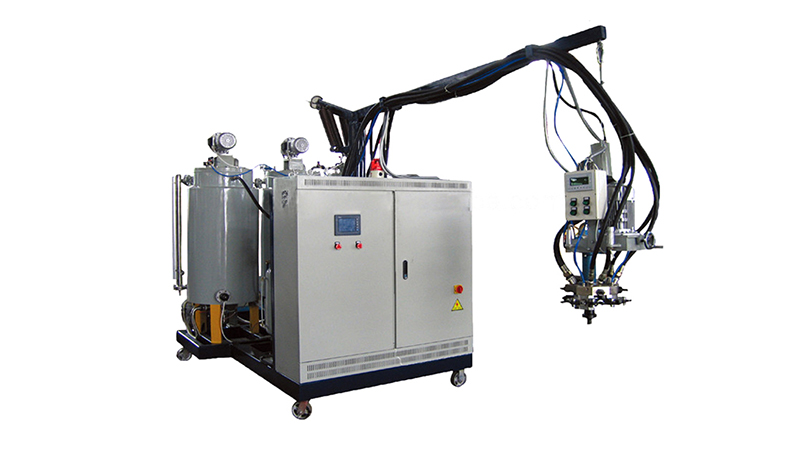
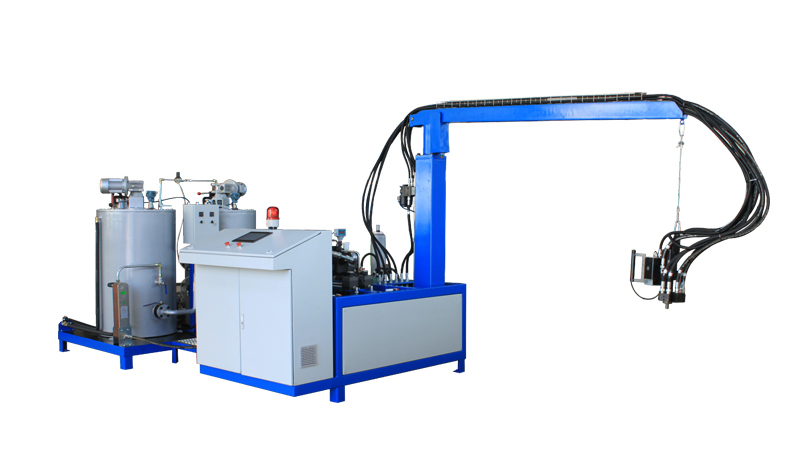
Recommended foaming machine
Molds
CATEGORIES
LATEST NEWS
- Diethanolamine
- Triethanolamine
- Methyl Glucoside
- Mannitol
- Sorbitol
- Xylitol
- Pentaerythritol
- Trihydroxyethyl isocyanurate
- Trimethylolethane
- Glycerin
CONTACT US
Tel:+8618688691634
Email:sam@1688pu.com
Add:No. 91 Central East Rd, Luxi village, Gaobu town, Dongguan city, Guangdong Province, China