Methylpropanediol
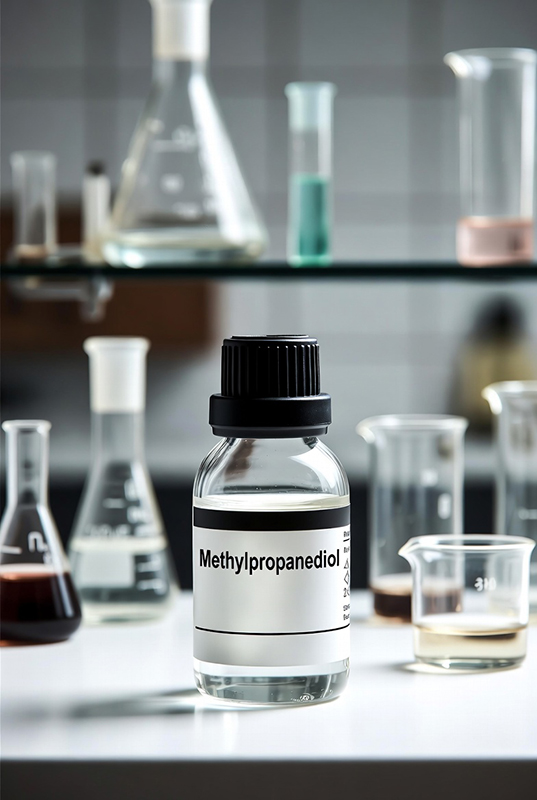
Chemical Name: 2-Methyl-1,3-propanediol
Abbreviation: MPD
Molecular Formula: C4H10O2
Molecular Weight: 90.12
CAS Number: 2163-42-0
EINECS Number: 412-350-5
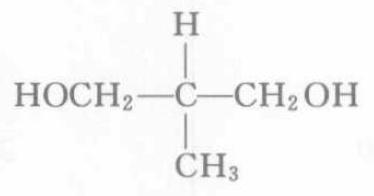
Structural Formula:
Physicochemical Properties
Methylpropanediol is a transparent, low-viscosity liquid. It is miscible with water, methanol, ethanol, butanol, propylene glycol, propylene glycol monomethyl ether, tetrahydrofuran, acetone, propyl carbonate, and styrene; insoluble in cyclohexane, hexane, toluene, and xylene.
Properties and Uses
Methylpropanediol is a low-molecular-weight, high-boiling-point diol containing two primary hydroxyl groups and one side methyl group. It is liquid at room temperature and easier to meter and pump than neopentyl glycol. It is an easy-to-handle and widely applicable diol. It can be used to manufacture unsaturated polyesters, liquefied saturated polyesters, thermoplastic polyester resins (modified PET and PBT), alkyd resins, polyurethane resins, diester plasticizers, lubricants, etc., and is also used in cosmetics and pharmaceuticals. The resulting polymers exhibit low viscosity, low melting point, low-temperature resistance, and weather resistance.
In the polyurethane field, it can be used to produce non-crystalline and low-crystalline polyester polyols and can be used as a chain extender. Applications include synthetic leather slurries, polyurethane coatings, waterborne polyurethanes, and polyurethane adhesives for food flexible packaging.
Toxicity Information
Methylpropylene glycol is virtually non-toxic, non-irritating to skin and eyes, and FDA approved. Acute oral toxicity data for rats: LD50 > 5000 mg/kg; acute dermal absorption toxicity data for rabbits: LD50 > 2000 mg/kg.
PREVIOUS:Neopentyl Glycol
NEXT:1,6-Hexanediol
CATEGORIES
LATEST NEWS
- Hydroxypentanoic acid neope...
- 1,2-Pentanediol
- 1,5-Pentanediol
- Back to Work at Jiaxin New ...
- Trimethylpentanediol
- 1,2-Butanediol and 2,3-Buta...
- 1,3-Butanediol
- 3-Methyl-1,5-Pentanediol
- Diethylpentanediol
- Butylethylpropanediol
CONTACT US
Tel:+8618688691634
Email:sam@1688pu.com
Add:No. 91 Central East Rd, Luxi village, Gaobu town, Dongguan city, Guangdong Province, China