Applications and Classification of Polyether Polyols
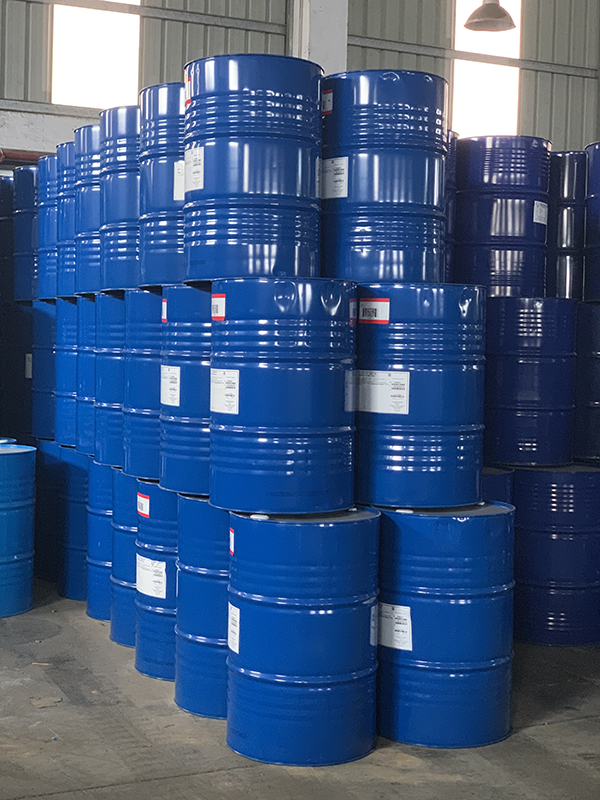
Polyether polyols are widely used in the manufacture of flexible, rigid, and semi-rigid polyurethane foams. Polyether polyols are not only readily available and inexpensive, but the resulting polyurethane foams also exhibit excellent performance, making them the most widely used polyol raw material in the polyurethane foam industry.
Some polyethers are also used in the production of elastic non-foam polyurethane materials (referred to as CASE materials), such as polyurethane waterproof coatings, polyurethane running tracks, polyurethane elastomers, polyurethane coatings, polyurethane adhesives, polyurethane sealants, and polyurethane shoe materials.
Flexible Foam Polyether Polyols
Polyether polyols used in flexible foams are generally long-chain, low-functionality polyethers. In flexible foam formulations, the functionality of polyether polyols is generally 2-3, with an average molecular weight between 2000 and 6500. The most widely used polyether in flexible foams is polyether triol, which is generally obtained by ring-opening polymerization of 1,2-propylene oxide or copolymerization of propylene oxide with a small amount of ethylene oxide, using glycerol as an initiator. The molecular weight is generally between 3000 and 7000. Polyether diols can be used as auxiliary raw materials and mixed with polyether triols in flexible foam formulations.
The most widely used flexible foam polyether in the early days was polyoxypropylene triol with a molecular weight of around 3000. The terminal hydroxyl groups of this type of polyether are mainly secondary hydroxyl groups with lower reactivity. Later, PO and EO copolymer polyethers were generally used. Polyethers with a molecular weight of 3000-3500, containing a small amount of ethylene oxide units and primary hydroxyl groups, are used in ordinary heat-cured flexible foams; polyethers with a molecular weight of 5000-6500 and a high primary hydroxyl content (molar fraction of over 70%), commonly known as “high-activity polyethers,” are mainly used in high-resilience flexible foams and can also be used in semi-rigid foams and other foam products. These polyethers have good miscibility with water and isocyanates, suitable reactivity, and significantly improved foam process stability. In addition, the foam curing time is shortened, which also reduces production costs. In recent years, dual metal cyanide complex (DMC) catalytic systems have been used domestically and internationally to produce low-unsaturation, high-molecular-weight polyether polyols. High-molecular-weight polyether polyols produced using this new catalytic polymerization system can have molecular weights exceeding 10,000, with a very narrow molecular weight distribution, making them suitable for the production of flexible foams and reducing the amount of TDI required.
Rigid Foam Polyether Polyols
Polyether polyols used in hard foam formulations are generally high-functionality, high-hydroxyl-value polyether polyols, which are necessary to produce sufficient crosslinking and rigidity. The hydroxyl value of hard foam polyether polyols is generally 350–650 mg KOH/g, with an average functionality of 3 or more. Typical hard foam formulations often use a mixture of two polyethers, with an average hydroxyl value of around 400 mg KOH/g.
Polyether polyols initiated with glycerol have relatively low functionality, resulting in a slower crosslinking network formation compared to high-functionality polyether polyols, generally giving the hard foam material better flowability. Polyether polyols initiated with amine compounds have a self-catalytic effect and higher reactivity with polyisocyanates, reducing the amount of amine catalyst required. Polyether polyols initiated with aromatic diamine compounds cure faster in the later stages of foaming, resulting in foam plastics with high strength and low thermal conductivity. The price of the initiator significantly impacts the production cost of polyether polyols. Due to price considerations, common hard foam polyether polyols are mostly initiated with sucrose and its mixtures.
Semi-rigid foam formulations generally use a combination of high-molecular-weight flexible foam polyethers, especially high-activity polyether polyols, and some high-functionality, low-molecular-weight hard foam polyethers.
CASE Polyether Polyols
Polyurethane materials, including polyurethane waterproof coatings, elastic polyurethane running tracks, polyurethane elastomers, polyurethane coatings, polyurethane adhesives, and polyurethane sealants, are commonly referred to as CASE materials in the polyurethane industry, based on their English acronym. The polyether polyols used in CASE (Coatings, Adhesives, Sealants, and Elastomers) applications are typically conventional polyether polyols, with polyether diols and triols in the molecular weight range of 1000-3000 being the most commonly used. In addition, high molecular weight polyether triols are used in sealants, and polyether polyols with molecular weights in the hundreds are used in coatings.
Low-unsaturation, medium-to-high molecular weight polyethers synthesized using novel catalysts exhibit a narrow molecular weight distribution and a functionality close to the theoretical value. Based on low-unsaturation polyoxypropylene polyols, high-activity polyether diols and triols with high primary hydroxyl content can be prepared by adding ethylene oxide. These are used in polyurethane microcellular elastomers, sealants, adhesives, and coatings. Compared to conventional polyethers, polyurethane products made from low-unsaturation polyether polyols show improved strength and elongation properties.
With the rapid development of the polyurethane industry, the development of polyether polyols in my country has also been very rapid, characterized by large production scale and a wide variety of products. Companies such as Shanghai Gaoqiao Petrochemical Co., Ltd. Polyurethane Division (formerly Shanghai Gaoqiao Petrochemical Chemical Plant No. 3, also known as China Petrochemical Group Asset Management Co., Ltd. Shanghai Gaoqiao Branch Polyurethane Division), China Petrochemical Group Tianjin Petrochemical Co., Ltd. Polyether Department (formerly Tianjin Petrochemical Company Third Petrochemical Plant), Jinhua Chemical Group Co., Ltd., Jiangsu Zhongshan Chemical Co., Ltd. (formerly Jinling Petrochemical Company Chemical Plant No. 2), Shandong Lanxing Dongda Chemical Co., Ltd. (formerly Shandong Dongda Chemical Group Co., Ltd.), CNOOC Shell Petrochemicals Company Limited, Tianjin Dagu Fine Chemical Co., Ltd., Jiangsu Luyuan New Materials Co., Ltd., Fujian Meizhou Bay Alkali Industry Co., Ltd. (a subsidiary of Fujian Southeast Electrochemical Co., Ltd.), and Zhejiang Pacific Chemical Co., Ltd. have annual polyether production capacities ranging from tens of thousands of tons to over one hundred thousand tons. Production is increasing year by year, and new varieties are constantly being developed and promoted.
Polyether polyols have very low toxicity. If they come into contact with skin, rinse with tap water and soap. If they come into contact with eyes, rinse with low-pressure clean water or seek medical attention. Polyether polyols are non-hazardous materials and are not explosive. Store in a cool, dry, and well-ventilated place. In case of fire, use foam, dry powder, dry ice, or water to extinguish the fire. Based on the type of initiator, functionality, molecular weight, and the structure of the olefin oxide (copolymer), as well as whether or not it contains flame-retardant elements, there are many varieties of polyether polyols. Different manufacturers have different product grades, making the situation quite complex.
PREVIOUS:Tris(4-phenyl isocyanate) thiophosphate
NEXT:Polyether Diol
CATEGORIES
LATEST NEWS
- Polyether Polyol vs Polyest...
- What Is Polyester Polyol?
- What Is Polyether Polyol?
- What Is Polyol?
- Why Is Reaction Balance Cri...
- Blowing Reaction vs Gelling...
- How Molecular Structure Det...
- Soft Segment vs Hard Segmen...
- What Is Crosslinking in Pol...
- What Is Polyurethane Polyme...
CONTACT US
Tel:+86 18688691634
Email:sam@1688pu.com
Add:No. 91 Central East Rd, Luxi Village, Gaobu Town, Dongguan 523283, China.