High Resilience PU Foam System for Motorcycle Seat Cushion Comfort Shock Absorbing Polyurethane Raw Material
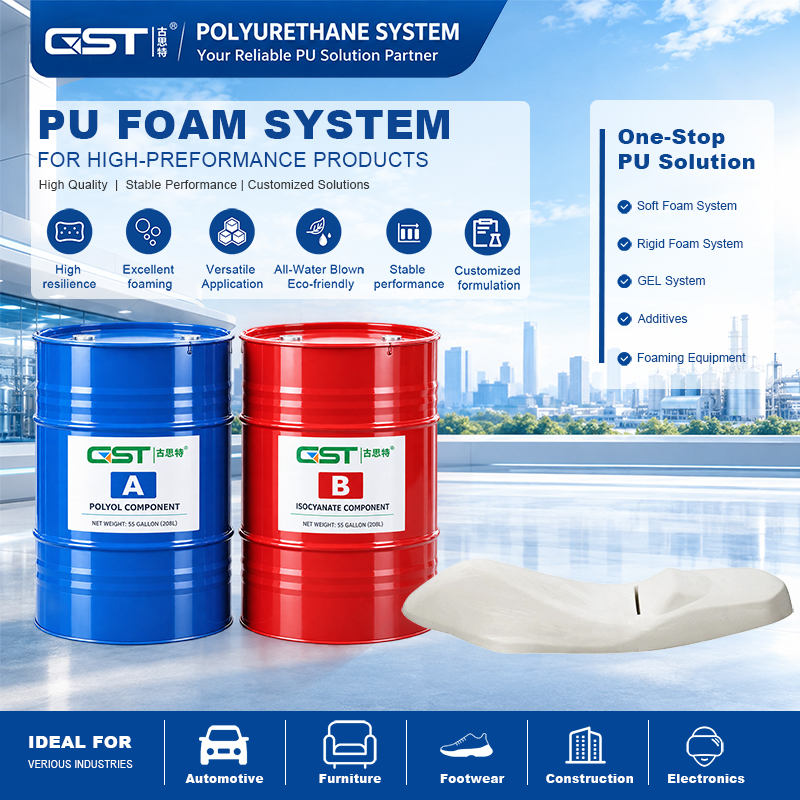
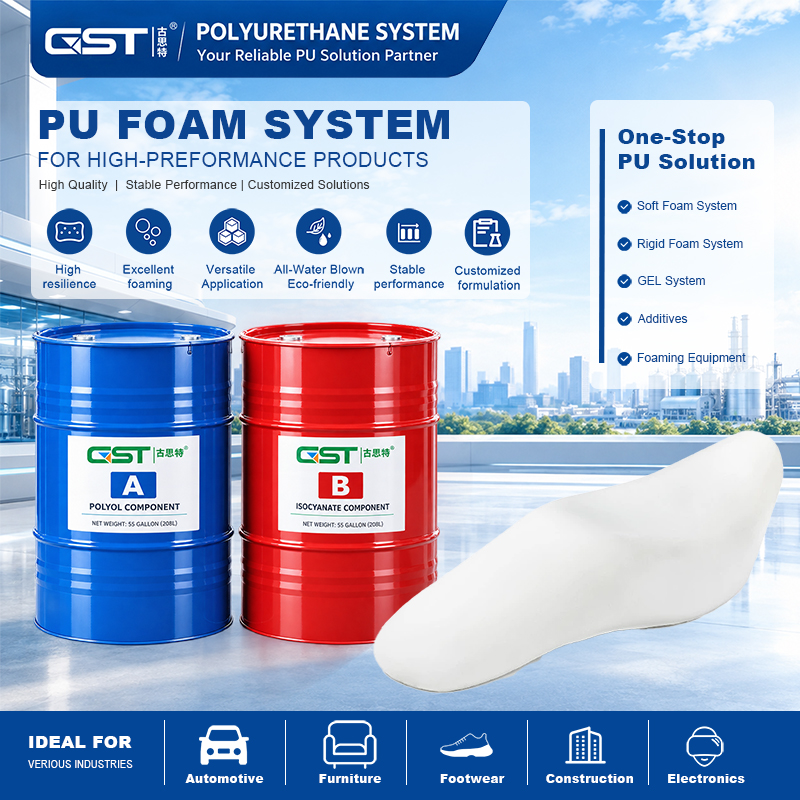
GST High Resilience Polyurethane Combination Material is designed for manufacturers of motorcycle seat cushions, scooter saddles, and molded polyurethane seating foam. As a polyurethane system supplier and manufacturer, GST focuses on formulation development, material customization, and technical support for industrial foam production.
Selecting the right high resilience polyurethane system is essential for achieving the required cushioning, elastic recovery, hardness, and mechanical performance of motorcycle seat foam. GST works with customers to evaluate material options according to their product design, target physical properties, mold conditions, and production requirements.
Specification
| Product Name | Motorcycle Seat Cushion PU systems |
| Application | High resilience cushion |
| Proportion | 100:40 |
| Material temperature(℃) | 25-30℃ |
| Mold temperature(℃) | 50±1℃ |
| Curing conditions(℃) | 50℃ |
| Curing time(min) | 6min |
1. Product Overview
GST high resilience PU combination material is a formulated polyurethane system for flexible foam applications. It is intended for manufacturers who require a material solution for motorcycle seat cushions and other molded seating components.
Different motorcycle seat designs require different foam properties. A commuter motorcycle seat may have different cushioning and support requirements from a touring motorcycle saddle or a scooter seat. Therefore, material selection should be based on the intended application and verified through appropriate foaming trials and physical testing.
Product Name: High Resilience Polyurethane Combination Material for Motorcycle Seats
Brand: GST
Product Category: Flexible Polyurethane Foam System
Main Application: Motorcycle Seat Cushions and Molded PU Seating Foam
Supplier: Dongguan Jiaxin New Materials Co., Ltd.
Customization: Formulation evaluation based on application requirements
Technical Support: Material selection, laboratory sampling discussions, foaming trials, and application guidance
2. Key Features and Benefits
High Resilience for Motorcycle Seating
High resilience polyurethane foam is commonly used in seating applications that require elastic recovery and supportive cushioning. The appropriate formulation should be evaluated against the target seating feel and mechanical requirements.
Adjustable Hardness and Density
Motorcycle seat manufacturers may require different density and hardness levels depending on seat geometry, rider support requirements, and product positioning. GST can discuss formulation options based on the customer’s target specifications and production conditions.
Suitable for Molded PU Foam Applications
Molded foam quality depends on both formulation and processing. Component ratio, mixing quality, mold temperature, curing conditions, and equipment performance can influence the final foam structure and consistency.
Customized Polyurethane Formulation
GST emphasizes formulation research and development rather than simply supplying standard raw materials. Formulation discussions can address target density, hardness, resilience, reaction behavior, and other application-specific requirements.
Technical Support for Foam Production
If foam production encounters problems such as uneven density, inconsistent hardness, or irregular cell structure, the formulation and processing conditions should be reviewed together. GST can provide application-oriented technical communication to help customers investigate potential causes.
Final properties must be confirmed through testing of the selected formulation under the intended production conditions.
3. Product Applications
GST high resilience polyurethane combination material can be evaluated for:
- Motorcycle seat cushions
- Scooter seat foam
- Molded motorcycle saddle foam
- Two-wheeler seating components
- Custom molded polyurethane seat pads
- Other flexible PU seating applications
For each application, the material should be selected according to the required cushioning, mechanical performance, mold design, and production process.
4. Why Choose GST Polyurethane Combination Materials?
Dongguan Jiaxin New Materials Co., Ltd. was established in 2012 in Dongguan, China. Under the GST brand, the company focuses on polyurethane system materials, formulation development, and application solutions.
Formulation R&D Capability
Polyurethane foam performance depends on the interaction between polyols, isocyanates, catalysts, surfactants, blowing agents, and other formulation components. GST focuses on formulation design and application evaluation to help customers work toward their target foam properties.
Application-Oriented Customization
Different customers have different equipment, mold designs, production processes, and performance requirements. GST can discuss these factors when evaluating an appropriate polyurethane system.
Laboratory Sampling and Foaming Trials
Customers can discuss sample requirements and laboratory evaluation before production-scale validation. The trial process helps assess whether the selected material and processing conditions are suitable for the intended application.
One-Stop PU Application Solutions
GST provides polyurethane combination materials and application-related services, including material recommendations, trial support, remote foaming guidance, and technical training according to project requirements.
Our goal is to support polyurethane manufacturers from material selection and formulation evaluation to practical production applications.
5. Product Specification
The following table identifies the technical information to confirm for the selected high resilience PU system.
| Parameter | Specification |
| Product type | High resilience PU combination material |
| Main application | Motorcycle seat cushions |
| Component ratio | Confirm with the selected product grade |
| Material temperature | According to the product technical data sheet |
| Mold temperature | To be confirmed through technical evaluation |
| Curing conditions | According to the selected system and process |
| Target foam density | Customized or selected according to requirements |
| Target hardness | To be confirmed according to requirements |
| Packaging | Confirm with GST |
| Shelf life | Refer to the product label and technical documentation |
For the exact component ratio, processing window, physical properties, and storage requirements, please request the technical data sheet for the relevant GST product grade.
6.Foaming test and parameters
1363AB Physical properties
| Initiation time(s) | 10 |
| String gel time (s) | 64 |
| Gel time(s) | 110 |
| Free rise density(kg/m³) | 72 |
7.Production Video
8.Report

Contact us to obtain the corresponding report.
9. How to Select a PU System for Motorcycle Seat Foam
Selecting a suitable polyurethane system involves more than choosing a material by price alone.
Foam density: Define the target density based on the seat design and application.
Hardness and support: Evaluate the appropriate hardness using a suitable test method, such as indentation force deflection where applicable.
Resilience and recovery: Test how the foam responds to compression and recovers after the load is removed.
Durability: Consider compression set, fatigue behavior, and other relevant mechanical requirements.
Production compatibility: Review the foaming equipment, component metering, mold conditions, curing process, and production cycle.
GST can discuss these requirements with your technical team to help identify a suitable formulation direction.
10. Common Problems in Motorcycle Seat Foam Production
Foam Hardness Is Too High or Too Low
Potential causes include formulation balance, component ratio, foam density, and processing conditions. Confirm the material specification and production parameters before adjusting the formulation.
Inconsistent Foam Density
Mixing quality, metering accuracy, component temperature, and foaming conditions can affect density consistency. Check equipment calibration and process repeatability.
Uneven Foam Cell Structure
Possible causes include inadequate mixing, unsuitable reaction balance, mold temperature variation, or inconsistent raw material conditions. Review the complete process to identify the likely cause.
Performance Changes Between Batches
Review raw material storage, component temperature, metering accuracy, process records, and curing conditions. Use repeatable testing to verify any changes in physical performance.
GST can help customers discuss these issues and evaluate potential material or process improvements.
11. Storage Conditions and Handling
Polyurethane components must be stored and handled according to the relevant product documentation.
General precautions include:
- Keep containers tightly sealed when not in use.
- Store materials in a cool, dry, well-ventilated area within the temperature range specified for the product.
- Protect containers from direct sunlight, excessive heat, rain, and moisture.
- Follow the recommended shelf life and first-in, first-out inventory procedures.
- Mix or precondition components only as directed by the product instructions.
- Do not mix components from different product grades or suppliers unless compatibility has been confirmed.
- Follow the applicable safety data sheet and workplace chemical-handling procedures.
The exact storage temperature, humidity requirements, component pretreatment, and shelf life must be confirmed using the technical documentation for the selected GST system.
12. Recommended Foaming Equipment
The appropriate foaming equipment depends on the selected polyurethane system, component viscosity, required output, mixing characteristics, mold design, and production volume.
Equipment selection should be confirmed through technical evaluation and, where necessary, trial production.
GST can discuss the customer’s existing equipment and production requirements when evaluating material compatibility.
13. Frequently Asked Questions
What is high resilience PU combination material for motorcycle seats?
It is a formulated polyurethane system used to produce flexible foam for seating applications. The final foam properties depend on the formulation, processing conditions, and testing results.
Can GST customize a PU system for motorcycle seat cushions?
GST can discuss formulation options based on the target density, hardness, resilience, seat design, and manufacturing process. Final suitability must be verified through testing.
Can I request a sample before placing a bulk order?
Contact GST to discuss sample availability, trial requirements, and the information needed to evaluate your application.
What information is required for a quotation?
Please provide your application, target density, hardness, equipment type, mold conditions, expected consumption, and any relevant technical specifications.
Does GST provide technical support?
GST provides formulation-related communication, material recommendations, trial support, and application guidance according to project requirements.
Where can I obtain the technical data sheet and safety data sheet?
Contact GST for the documentation corresponding to the specific product grade. Confirm that the documents match the material you intend to purchase.
14. Contact GST for Motorcycle Seat PU System Solutions
Looking for a high resilience polyurethane combination material for motorcycle seat cushions?
Contact GST to discuss your target foam properties, production process, sample requirements, and customization needs.
GST — Your Partner in Polyurethane Formulation and Application Solutions.
Website: https://gstpu.com/
Email: sam@1688pu.com
Contact us for product specifications, technical documentation, sample inquiries, and customized polyurethane system solutions.
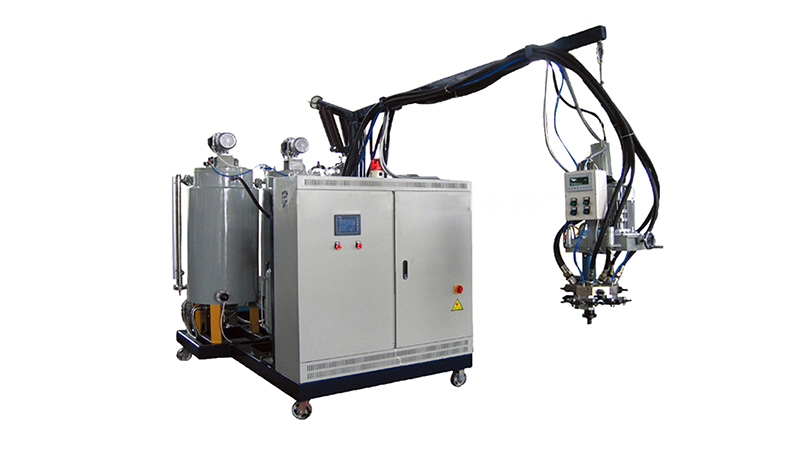
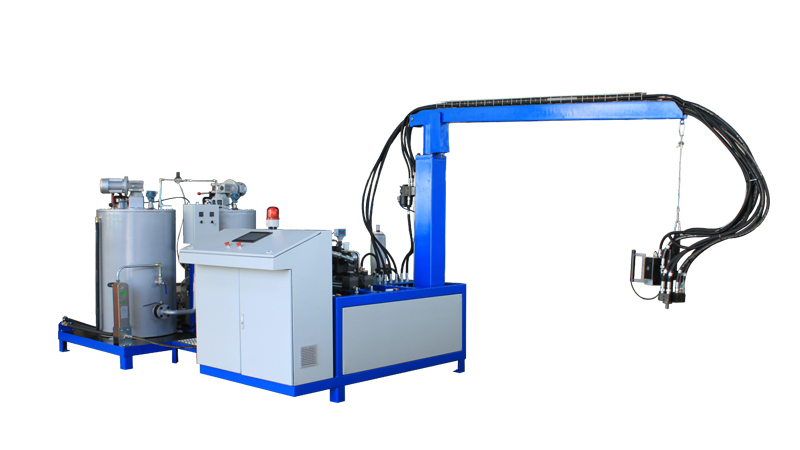
Recommended foaming machine
Molds

CATEGORIES
LATEST NEWS
- What Is a Two-Component PU ...
- What Is Polyol Blend?
- What Is a Polyurethane System?
- How to Select Catalysts for...
- What Are Flame Retardants i...
- What Is a Silicone Surfactant?
- What Are Delayed-Action Cat...
- Balanced Catalysts for Poly...
- Blowing Catalysts in PU Foam
- Gelling Catalysts in PU Foam
CONTACT US
Tel:+86 18688691634
Email:sam@1688pu.com
Add:No. 91 Central East Rd, Luxi Village, Gaobu Town, Dongguan 523283, China.