How to Select the Right Polyol for PU Formulation?
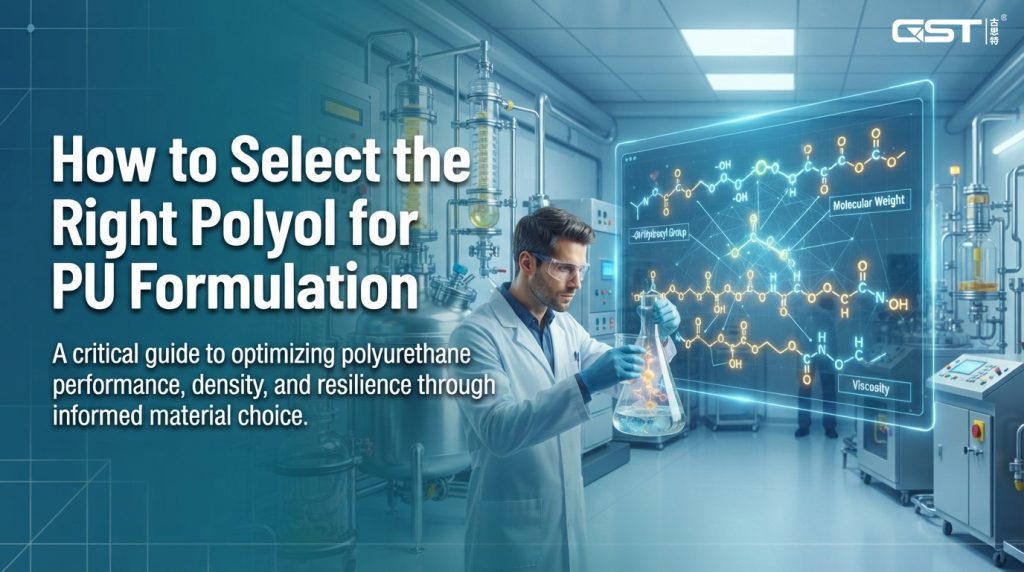
Choosing the right polyol is one of the first—and most important—decisions in polyurethane (PU) formulation.
Two polyols may look similar on a technical data sheet, but they can produce very different foam performance. Density, hardness, resilience, cell structure, reaction speed, dimensional stability, and even processing behavior can all be affected by the polyol you choose.
So, how do you select the right one?
Ⅰ,What Is Polyol?
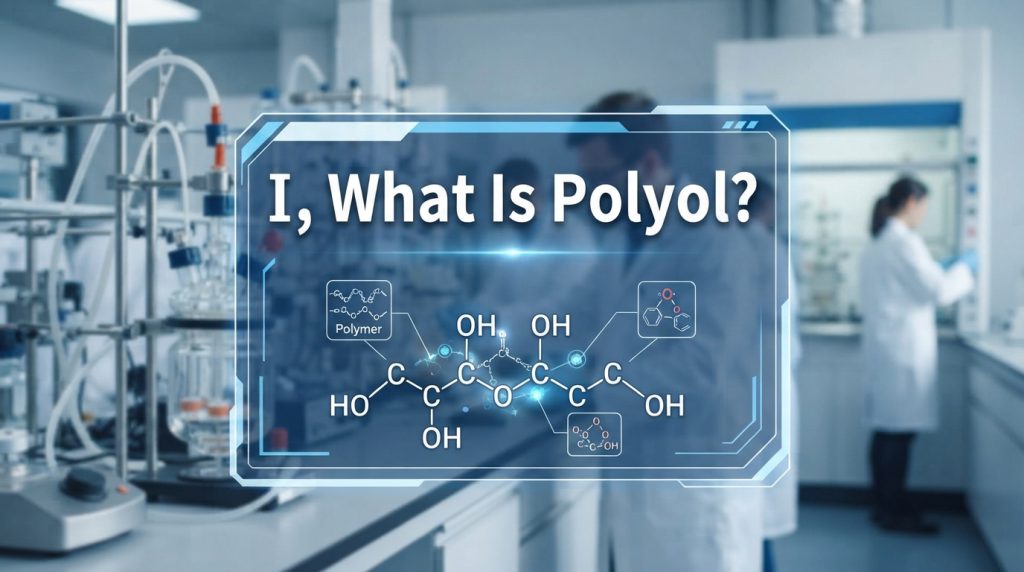
Polyol is one of the key components used to produce polyurethane materials. It contains reactive hydroxyl (-OH) groups that react with isocyanates to form the polyurethane polymer network.
Depending on the application, polyols can have different:
- Molecular weights
- Hydroxyl values
- Functionality
- Viscosity
- Chemical structures
Common types include polyether polyols, polyester polyols, polymer polyols, and bio-based polyols.
The right choice depends not only on the type of foam you want to make, but also on the required physical properties and production process.
Ⅱ,Why Does Polyol Selection Matter?
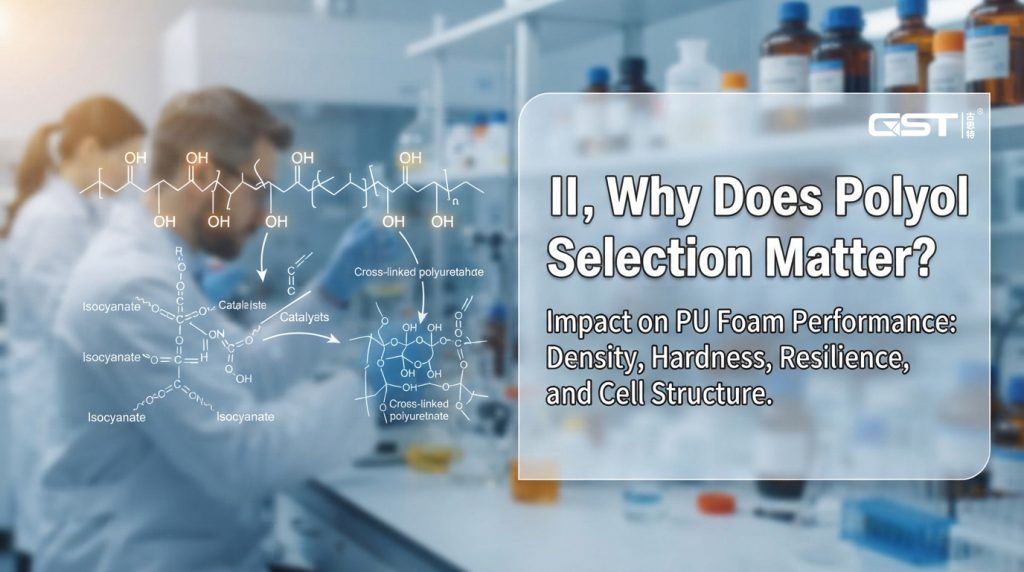
Think of polyol as one of the key “building blocks” of PU foam.
Changing the polyol can change the entire formulation balance.
For example:
Polyol structure → Reaction behavior → Cell structure → Physical properties → Final product performance
A suitable polyol can help achieve the required:
- Hardness and resilience
- Foam density
- Cell uniformity
- Compression performance
- Dimensional stability
- Reaction profile
- Processing window
This is why simply choosing a polyol based on price or a single specification can lead to unexpected results.
Ⅲ,How Does Polyol Work in a PU Formulation?
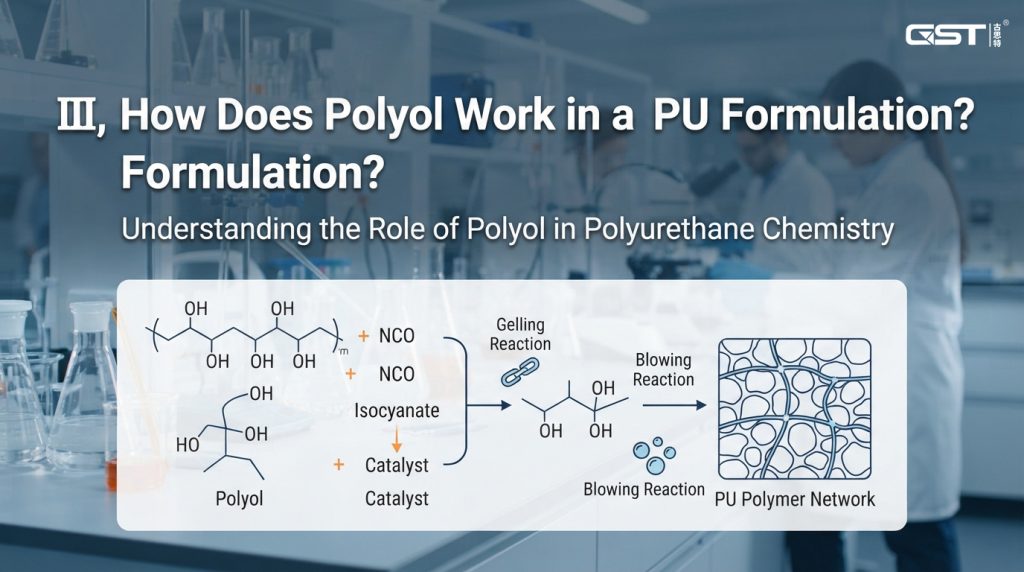
During foaming, polyol reacts with isocyanate in the presence of catalysts, surfactants, blowing agents, and other additives.
Two important reactions need to be balanced:
Gelling reaction:
Helps build the polyurethane polymer structure.
Blowing reaction:
Generates gas and contributes to foam expansion and cell formation.
The polyol participates in this reaction system while its molecular structure, hydroxyl value, and functionality influence the final polymer network.
The key is not simply finding a “good” polyol, but finding a polyol that works well with the entire formulation system.
Ⅳ,How to Select the Right Polyol?
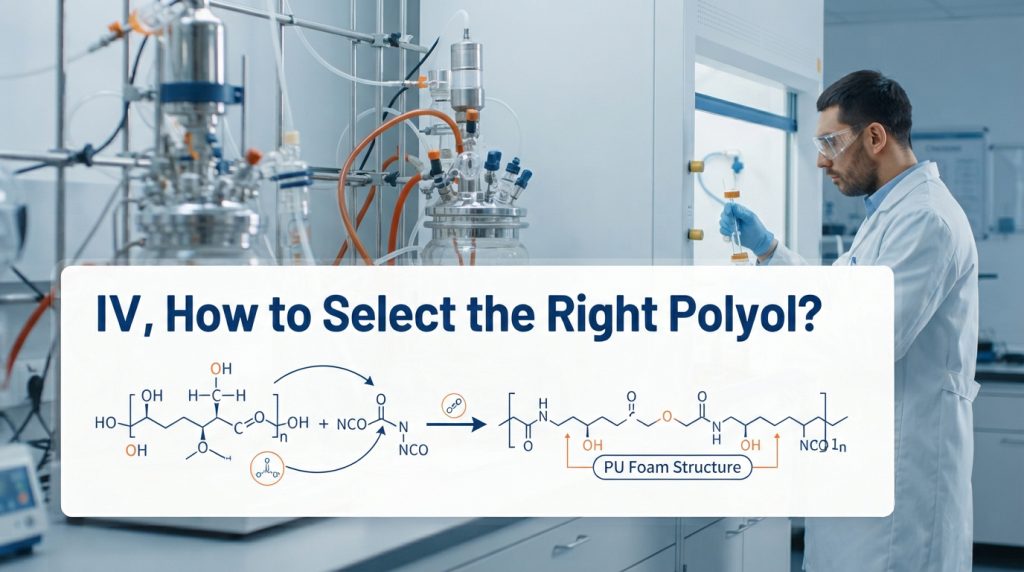
Before selecting a polyol, ask several practical questions:
1. What product are you making?
Flexible foam, high-resilience foam, memory foam, rigid foam, elastomer, gel, or another PU product may require completely different polyol systems.
2. What physical properties are required?
Consider hardness, resilience, tensile strength, elongation, compression set, density, and dimensional stability.
3. What processing conditions are available?
Machine type, mold temperature, mixing ratio, curing conditions, production speed, and ambient temperature can all affect the formulation.
4. What reaction profile do you need?
Cream time, rise time, gel time, and curing speed should match the production process.
In practice, polyol selection is rarely an isolated decision. It is part of a complete formulation design.
Ⅴ,Common Problems After Choosing the Wrong Polyol
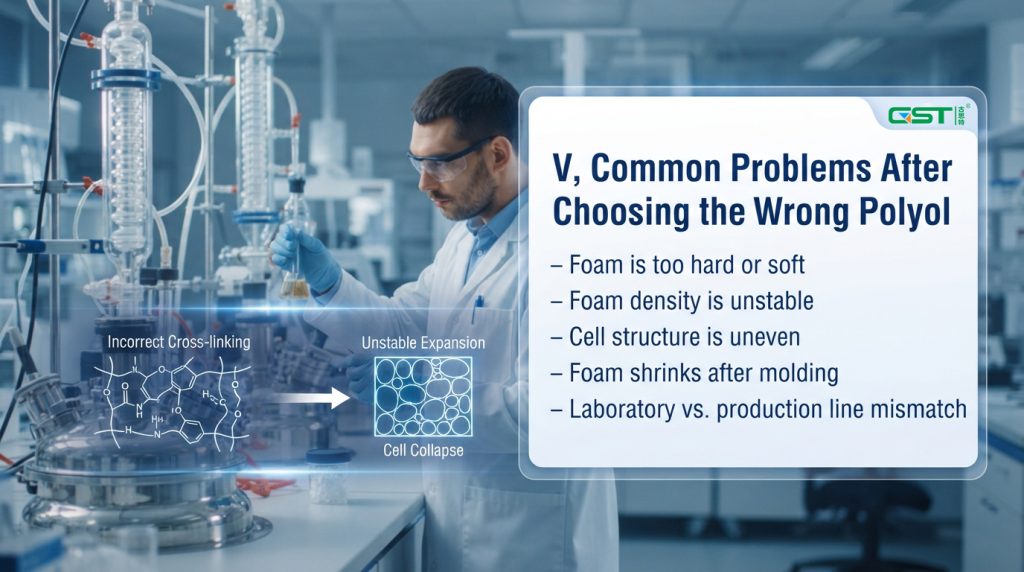
Foam is too hard or too soft
The polyol structure, hydroxyl value, functionality, isocyanate index, and overall formulation balance may not be properly matched.
Foam density is unstable
The blowing system, reaction balance, raw-material temperature, mixing conditions, or polyol characteristics may be contributing to inconsistent expansion.
Cell structure is uneven
Surfactant selection, catalyst balance, polyol compatibility, and processing conditions may all affect cell formation.
Foam shrinks after molding
Insufficient curing, an unbalanced reaction system, inappropriate blowing conditions, or unsuitable raw materials can contribute to shrinkage.
Production works in the laboratory but fails on the production line
This is a common challenge.
A formulation that works under controlled laboratory conditions may behave differently when equipment, raw-material temperature, humidity, mixing efficiency, or production speed changes.
Ⅵ,How Can These Problems Be Solved?

The solution is usually not simply replacing one raw material.
A PU formulation should be evaluated as a complete reaction system.
At GST, we can analyze and optimize the relationship between:
Polyol + Isocyanate + Catalyst + Silicone Surfactant + Blowing Agent + Additives + Processing Conditions
Through laboratory testing and formulation adjustment, we can evaluate reaction behavior, foam structure, density, hardness, resilience, and other target properties.
This approach helps reduce repeated trial-and-error during production.
Ⅶ,How GST Can Support Your PU Formulation
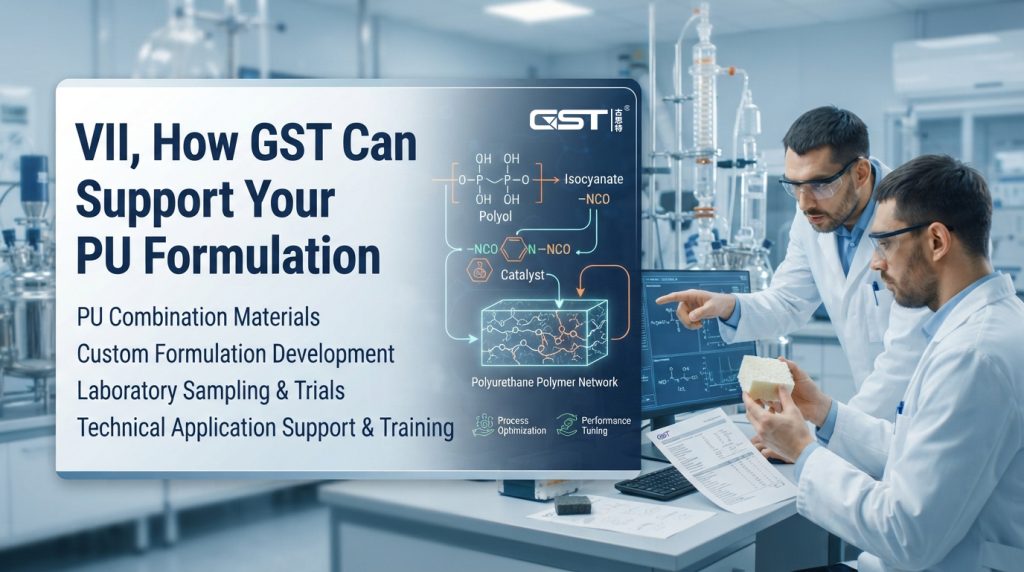
GST provides more than individual raw materials.
We provide PU combination materials, formulation development, and technical application support based on specific product requirements.
Our support can include:
1. PU Combination Materials
Pre-balanced systems designed for specific applications and production processes.
2. Custom Formulation Development
Formulation adjustment based on target density, hardness, resilience, reaction profile, and other performance requirements.
3. Laboratory Sampling
Small-scale trials to evaluate formulation performance before mass production.
4. Formula Replication & Optimization
If you already have a foam sample or existing formulation, GST can help analyze the target performance and develop a suitable formulation.
5. Production Trial Support
Technical assistance during trial production to help identify problems related to raw materials, equipment, or processing conditions.
6. Application & Technical Training
Our technical team can provide guidance on formulation adjustment, foaming processes, and production management.
Ⅷ,The Right Polyol Is Only the Beginning
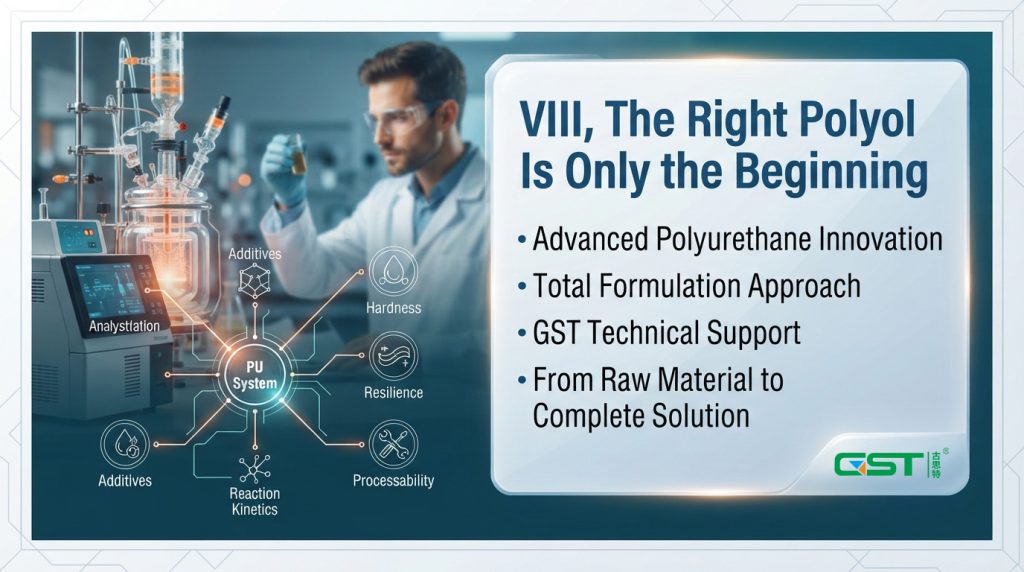
Selecting a suitable polyol is important—but it is only one part of successful PU formulation.
The real challenge is achieving the right balance between raw materials, formulation, reaction kinetics, equipment, and production conditions.
If you are developing a new PU product or experiencing problems with an existing formulation, GST can help you move from “choosing raw materials” to developing a complete PU solution.
Need a PU combination material or formulation solution?
Contact GST for sample testing, formulation development, and technical support.
PREVIOUS:How Does Polyol Affect Foam Hardness and Resilience?
NEXT:What Is Isocyanate?
CATEGORIES
LATEST NEWS
- What Is TDI?
- What Is Polymeric MDI (pMDI)?
- What Is MDI?
- What Is Isocyanate?
- How to Select the Right Pol...
- How Does Polyol Affect Foam...
- What Is Hydroxyl Value (OH ...
- What Is Polyol Functionality?
- BASF Ludwigshafen Incident:...
- What Is Polyol Molecular We...
CONTACT US
Tel:+86 18688691634
Email:sam@1688pu.com
Add:No. 91 Central East Rd, Luxi Village, Gaobu Town, Dongguan 523283, China.