What Are the Main Types of Polyurethane?
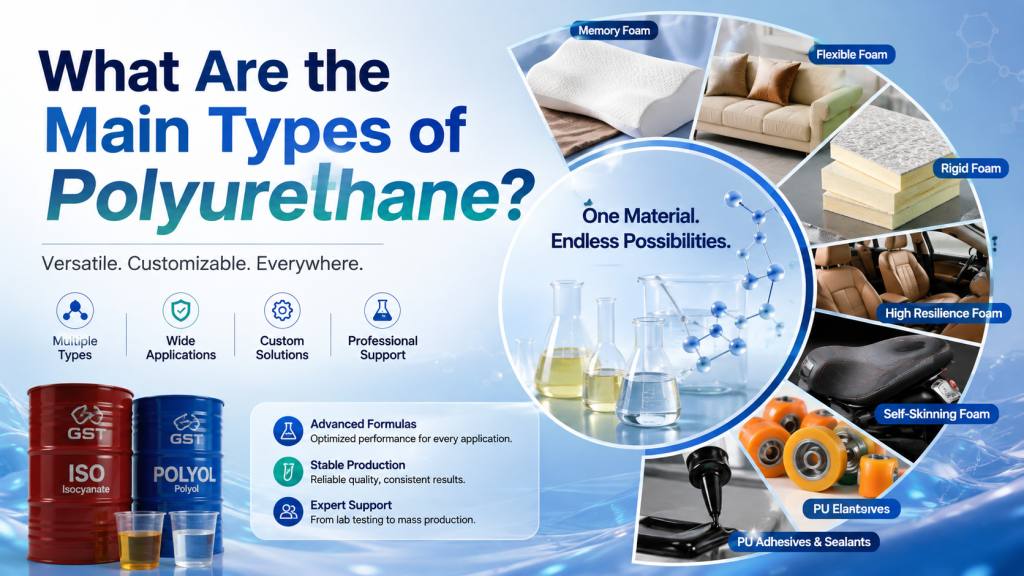
Polyurethane (PU) is one of the most versatile polymer materials in modern manufacturing. From mattresses and car seats to refrigerators, building insulation, footwear, packaging, and medical products, polyurethane can be engineered to deliver very different performance characteristics.
So, what are the main types of polyurethane? The answer depends largely on its chemical structure, density, flexibility, and the application it is designed for.
1. Flexible Polyurethane Foam
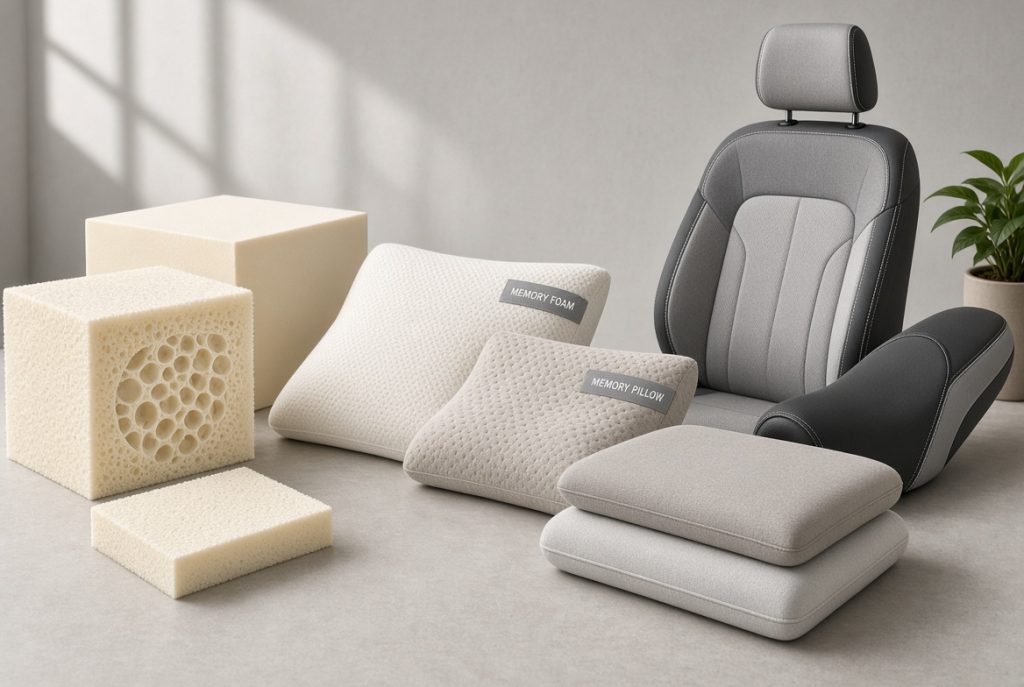
Flexible polyurethane foam is soft, resilient, and comfortable, making it one of the most widely used PU materials.
It is commonly found in:
- Mattresses and memory pillows
- Sofa and furniture cushions
- Car seats and headrests
- Motorcycle and e-bike seats
- Sports and comfort products
Depending on the formulation, flexible foam can be designed as high-resilience (HR) foam, conventional flexible foam, or memory foam.
The key is not simply producing foam, but controlling properties such as density, hardness, resilience, airflow, compression set, and rebound behavior.
2. Rigid Polyurethane Foam
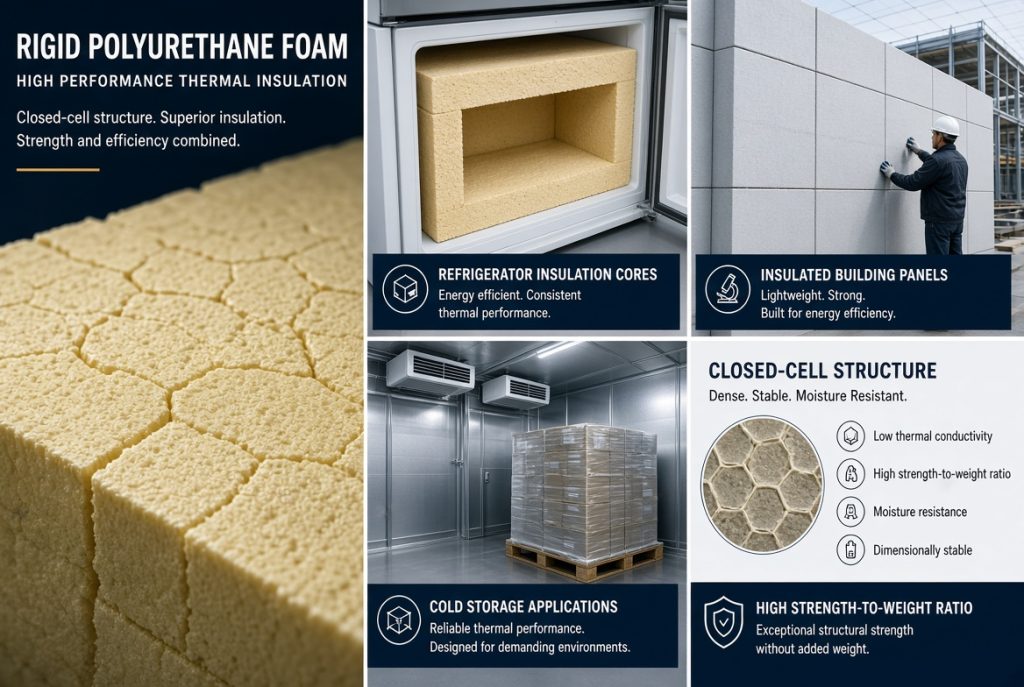
Rigid polyurethane foam is designed for thermal insulation, structural support, and lightweight construction.
Typical applications include:
- Refrigerators and freezers
- Cold storage
- Insulated panels
- Building and roof insulation
- Pipes and industrial equipment
Its closed-cell structure helps reduce heat transfer while maintaining a high strength-to-weight ratio. This makes rigid PU foam particularly valuable where energy efficiency and insulation performance are important.
3. Memory Foam
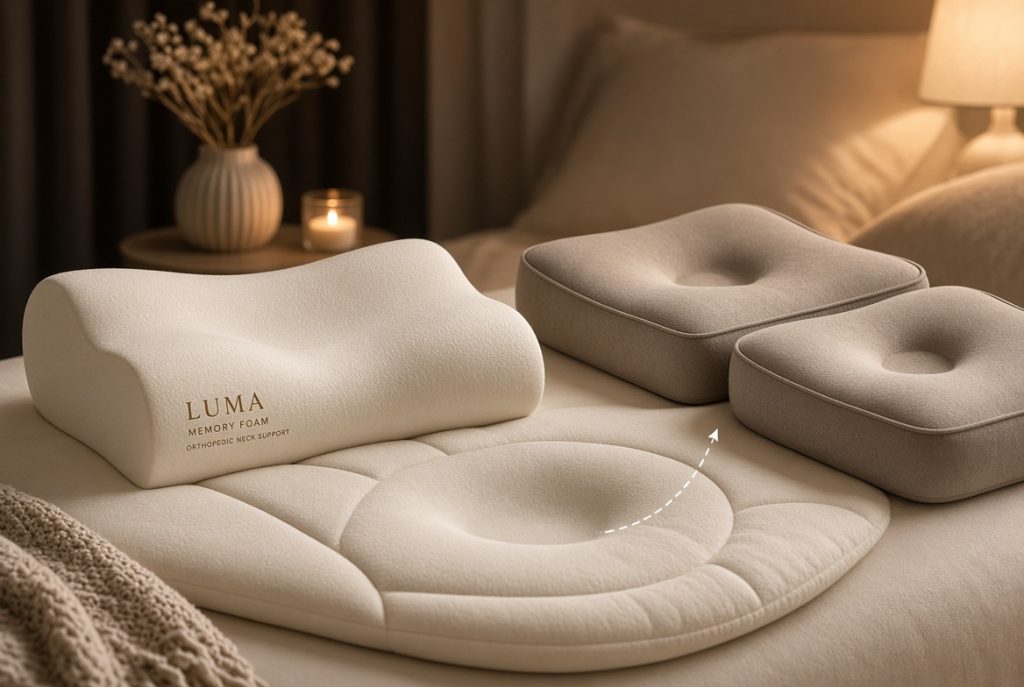
Memory foam is a special type of flexible polyurethane foam known for its slow recovery and pressure-relieving characteristics.
When pressure is applied, the foam deforms and gradually returns to its original shape.
It is widely used for:
- Memory pillows
- Mattresses
- Seat cushions
- Neck and orthopedic support products
The final performance depends heavily on the formulation, including polyols, catalysts, surfactants, blowing agents, and processing conditions.
4. Self-Skinning Polyurethane
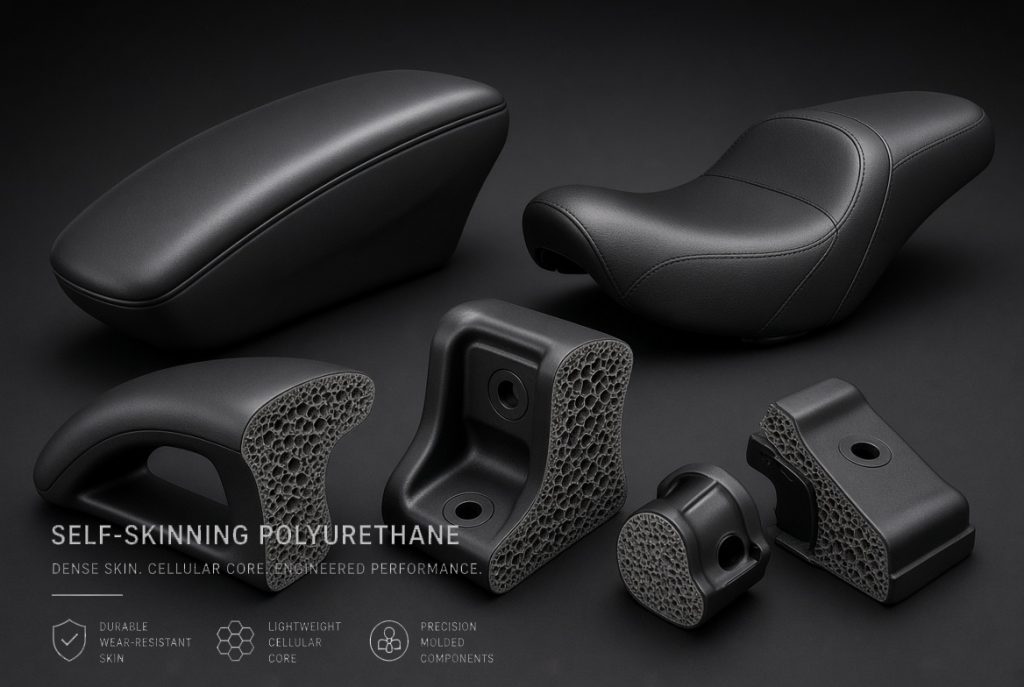
Self-skinning PU forms a dense outer skin with a cellular core during foaming. This allows manufacturers to create products that combine a relatively durable surface with a lightweight interior.
Common applications include:
- Automotive components
- Armrests and backrests
- Motorcycle seats
- Medical models
- Equipment components
- Specialty molded products
It can reduce the need for additional surface materials while providing a more finished appearance.
5. Polyurethane Elastomers
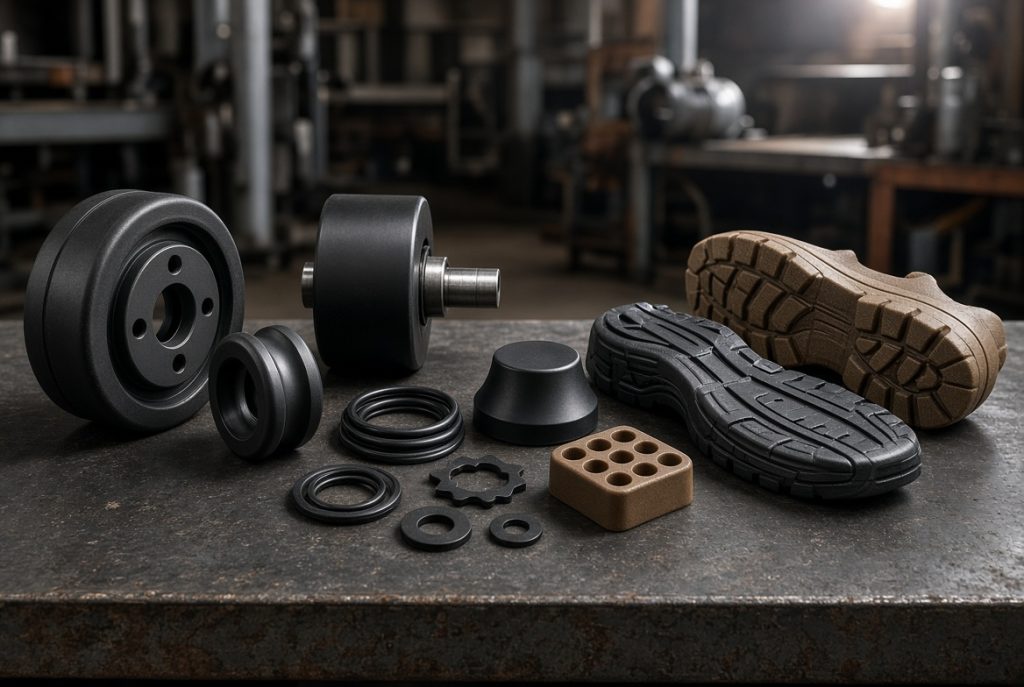
PU elastomers are valued for their combination of elasticity, abrasion resistance, impact resistance, and mechanical strength.
They can be used in:
- Wheels and rollers
- Seals and gaskets
- Industrial components
- Shock-absorbing parts
- Footwear soles
Compared with conventional foam, elastomers are generally selected when mechanical durability is more important than cellular structure.
6. Polyurethane Adhesives, Coatings & Sealants
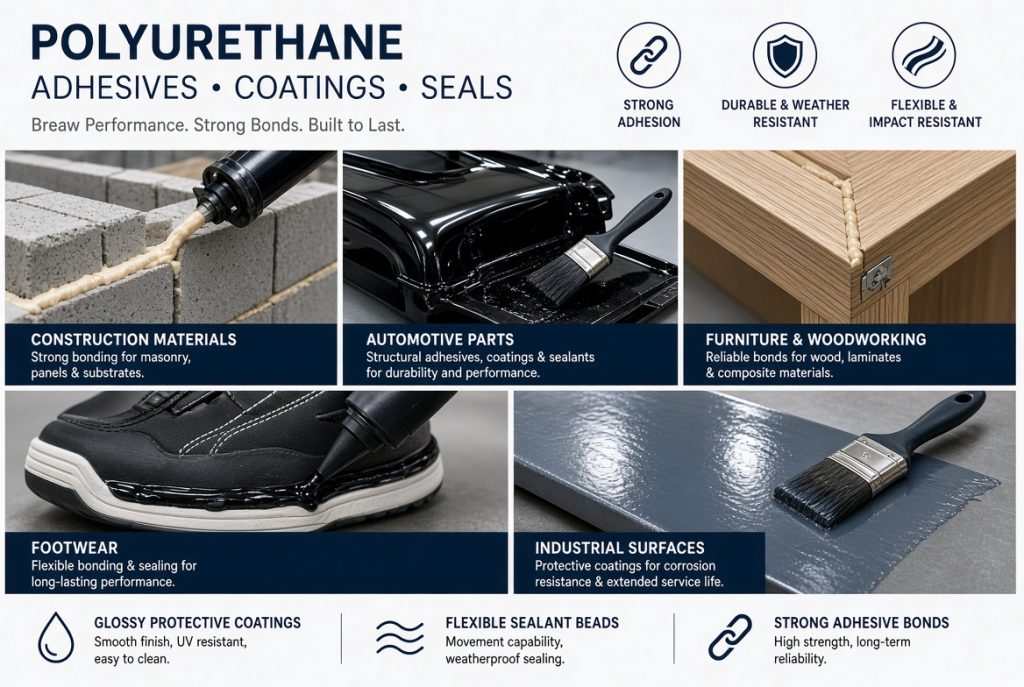
Polyurethane is not limited to foam. Its chemistry can also be formulated into adhesives, coatings, and sealants.
These materials can provide:
- Strong adhesion
- Flexibility
- Wear resistance
- Chemical resistance
- Weather resistance
This makes PU useful in construction, automotive, furniture, footwear, packaging, and many industrial applications.
How Does Polyurethane Become So Versatile?
The interesting part of polyurethane is that there isn’t a single “PU formula.”
By adjusting the polyol, isocyanate, catalysts, surfactants, blowing agents, additives, density, and processing conditions, manufacturers can create materials with completely different properties.
In simple terms:
Different chemistry + different formulation + different processing = different polyurethane performance.
This is why selecting the right raw materials is only the beginning. The formulation and production process are equally important.
Common Problems When Choosing PU
Manufacturers may encounter problems such as:
- Foam density is inconsistent
- Hardness does not meet the target
- Poor resilience or slow recovery
- Excessive shrinkage
- Surface defects
- Poor dimensional stability
- Difficult demolding
- Insufficient insulation performance
These problems are often related to formulation balance, raw material compatibility, catalyst levels, moisture, mold temperature, mixing ratio, or processing conditions.
A standard formula may work for one production line but fail on another. This is why application-specific formulation development is so important.
How Can GST Help?
For manufacturers, choosing a polyurethane type is only the first step. The bigger challenge is turning the desired performance into a stable production process.
GST provides polyurethane combination materials, customized formulations, and technical application solutions for different markets and production requirements.
Depending on the application, GST can help develop solutions for:
- Flexible and high-resilience foam
- Memory foam
- Rigid insulation foam
- Self-skinning PU
- Elastomer applications
- Customized molded PU products
From laboratory formulation and sample testing to machine trials and mass-production support, the goal is to help customers achieve the right balance of performance, processing efficiency, and production stability.
Final Thoughts
Polyurethane is not just one material—it is a family of highly customizable materials.
Whether you need soft comfort, high resilience, thermal insulation, durability, or a specialized surface finish, the right polyurethane formulation can make a significant difference.
And when the application has specific requirements, the right combination material and technical support can be just as important as the polyurethane itself.
PREVIOUS:How Is Polyurethane Made?
CATEGORIES
LATEST NEWS
- Aromatic vs Aliphatic Isocy...
- What Is Modified MDI?
- MDI vs TDI: What’s th...
- TDI 80/20 vs TDI 65/35
- What Is TDI?
- What Is Polymeric MDI (pMDI)?
- What Is MDI?
- What Is Isocyanate?
- How to Select the Right Pol...
- How Does Polyol Affect Foam...
CONTACT US
Tel:+86 18688691634
Email:sam@1688pu.com
Add:No. 91 Central East Rd, Luxi Village, Gaobu Town, Dongguan 523283, China.